Refrigerator Not Cooling? 8 Causes and How to Fix Them
A refrigerator that stops cooling is one of the few appliance problems that cannot wait. Food safety gives you a window of hours, not days, so it helps to know which causes are simple, which are serious and which checks are safe to do before calling for service. In many homes the fix is faster than expected: airflow and dust problems account for a surprising share of cooling complaints.
Work through the causes below roughly in order. They move from the easiest homeowner checks to the failures that need diagnostic tools. If the fridge is warm but the freezer still works, pay special attention to the evaporator fan and defrost sections, because that split symptom usually points there.
1. Temperature settings and simple airflow problems
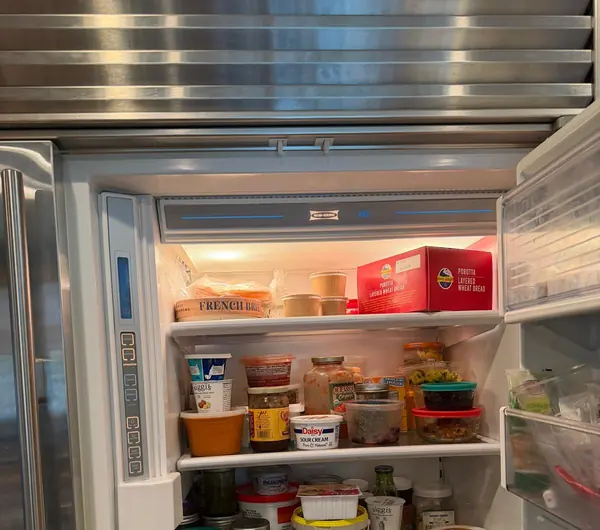
Start with the basics: confirm the thermostat or control panel was not bumped. The refrigerator compartment should sit near 37°F and the freezer near 0°F. Next, look inside. A fridge packed so full that air cannot move, or items pressed against the rear vents, will develop warm zones even though every component works. Leave space around the vents and give the unit a few hours to recover.
2. Dirty condenser coils
Condenser coils release the heat your refrigerator removes from the inside. When they are coated in dust and pet hair, the system runs longer, cools less and eventually cannot keep up. Unplug the unit, find the coils behind the base grille or on the back panel, and clean them with a coil brush and vacuum. In homes with pets this simple job is worth doing twice a year, and it is one of the most common fixes our technicians see.
3. Condenser fan not running
Near the compressor at the back of most units, a small fan pulls air across those coils. If it is jammed by debris or the motor has failed, the fridge will run warm and the compressor area will feel hot. With the unit unplugged you can check for obstructions, but a failed fan motor is a part replacement job.
4. Evaporator fan problems
The evaporator fan lives in the freezer section and circulates cold air to the fresh-food compartment. When it fails, the freezer often stays cold while the refrigerator warms up. Listen with the doors closed: a missing hum, or a grinding and chirping noise from the freezer, points here. Because the fan sits behind interior panels, replacement is best left to a technician.
5. Frost where it should not be: a failed defrost system
Modern refrigerators defrost themselves several times a day using a heater, a defrost thermostat and a timer or control board. When any part of that system fails, frost slowly buries the evaporator coil until air cannot pass through it. The telltale pattern: cooling declines over one to two weeks, and a heavy frost layer builds on the freezer's back interior wall. A manual defrost (unit unplugged, doors open, towels down) restores cooling temporarily, but the failed defrost component still needs to be identified and replaced or the problem returns.
6. Worn door gaskets
Close the door on a strip of paper. If it slides out with no resistance, the gasket is no longer sealing and warm, humid air is leaking in constantly. Leaky gaskets force long run times, cause frost buildup and raise energy use. Clean the gasket first; if it is torn or has lost its spring, replacement is inexpensive compared to the strain it puts on the system.
7. Faulty thermistor or control board
The thermistor tells the control board the interior temperature. When it drifts or fails, the fridge may run constantly or barely at all. This is a meter-and-diagnosis job: the sensor's resistance has to be tested against specification, which is quick work for a technician but guesswork without tools.
8. Compressor and start relay failures
A repeated clicking from the back of the unit every few minutes usually means the start relay is trying and failing to start the compressor. Relay replacement is a modest repair. A genuinely failed compressor is the most expensive fix on this list, and on an older unit it opens the repair-or-replace conversation, which an honest diagnosis should settle before any money is spent.
When to call a professional
Call for service when cleaning the coils and clearing airflow does not restore normal temperatures within a day, when you hear clicking or grinding, or when frost keeps returning after a manual defrost. Keep the doors closed as much as possible before the visit to protect your food and preserve the symptoms a technician needs to see.
Appliance Surgeon provides same-day refrigerator repair across the D.C. metro area, including Arlington and Washington, DC. Book online with the brand, model number and symptom, and the technician will arrive with the common parts on the truck.
More guides from our technicians
Refrigerator Door Not Sealing? Gasket Problems and Fixes
A fridge or freezer door that does not seal causes frost, sweating and long run times. How to test the gasket, what you can fix at home, and when to replace it.
Freezer Not Freezing but Fridge Works? Causes and Fixes
Freezer soft while the fridge stays cold? That split points to specific parts: settings, seals, coils, fans or the sealed system. Check them in this order.
Fridge Warm but Freezer Cold: What It Means and What to Check
When the freezer works but the fridge section runs warm, the cold is not reaching the upper cabinet. The usual suspects: evaporator fan, damper, defrost system.