Ice Maker Not Making Ice: A Troubleshooting Guide
An ice maker is a small machine with a simple job: fill a mold with water, freeze it, eject the cubes, repeat. When it stops, the cause is almost always one of five things, and they can be checked in a sensible order in under half an hour. Only after those five does it make sense to talk about replacing the ice maker unit itself.
1. The switch and the shutoff arm
Start embarrassingly simple: many models have a wire shutoff arm or a paddle that stops production when the bin is full. If the arm was pushed up while shuffling frozen food, the ice maker is simply switched off. Confirm the arm is down (or the switch is on), and give it several hours; a healthy ice maker produces a fresh batch roughly every 90 minutes to 3 hours.
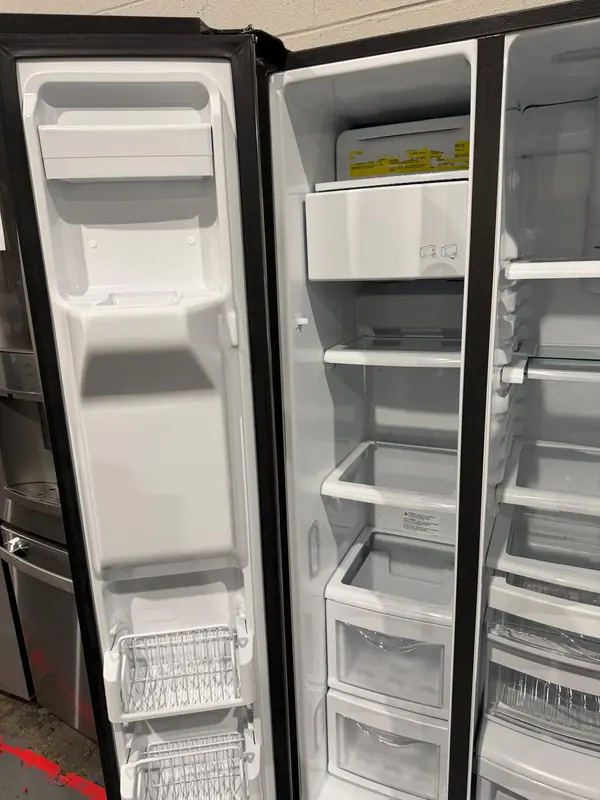
2. Freezer temperature
Ice makers are picky about temperature. Above roughly 5°F, most will slow dramatically or stop, even though the freezer still feels cold and keeps food frozen. Check the setting and aim for 0°F. If the freezer cannot hold that temperature, the ice maker is the messenger, not the problem, and the real issue is cooling performance: dirty condenser coils, a failing fan or a defrost fault.
3. The water filter
A clogged filter starves the ice maker before it noticeably affects the dispenser. If your filter is more than six months old, replace it, run a couple of glasses of water through the dispenser to purge air, and wait a few hours. Undersized ice cubes and hollow cubes in the weeks before the stoppage are the classic sign the filter was slowly choking flow.
4. The water supply line and inlet valve
Follow the thin water line behind the fridge. Confirm the small saddle or inline shutoff valve is fully open and the line is not pinched by the cabinet. In winter, a line routed against a cold exterior wall or through the door can freeze internally; a hair dryer on low, or simply unplugging the fridge with doors open for a couple of hours, clears an iced fill tube. If you never hear the distinctive buzz of the fill valve energizing at the start of a cycle, the inlet valve itself may have failed, which is a common and reasonably priced repair.
5. The fill tube and frozen mold
Look at the ice mold. An overflowing slab of ice fused across the mold means the valve is dribbling; a bone-dry mold means water never arrives; a mold with cubes that never eject points at the ice maker's own motor, heater or control. These distinctions matter, because they separate a $60 valve from a full ice maker replacement, and a technician can verify each in minutes.
When replacement makes sense
Ice maker assemblies are modular, and when the module's motor or control fails, swapping the assembly is often faster and cheaper than chasing individual internal parts. On a fridge more than 12 to 15 years old with other symptoms, fold the decision into a bigger question about the appliance's remaining life; on a healthy fridge, a new assembly is a routine visit.
When to call
Book service when the freezer holds 0°F, the filter is fresh and the supply checks out but ice still does not come, when the same fill tube keeps freezing, or when cubes form but never eject. Mention which of these patterns you see; each points to a different part, and it helps the technician arrive with the right one.
Appliance Surgeon repairs ice makers as part of refrigerator repair service across the D.C. area, including Bethesda and Vienna. Same-day appointments are available on most routes.
More guides from our technicians
Refrigerator Door Not Sealing? Gasket Problems and Fixes
A fridge or freezer door that does not seal causes frost, sweating and long run times. How to test the gasket, what you can fix at home, and when to replace it.
Freezer Not Freezing but Fridge Works? Causes and Fixes
Freezer soft while the fridge stays cold? That split points to specific parts: settings, seals, coils, fans or the sealed system. Check them in this order.
Fridge Warm but Freezer Cold: What It Means and What to Check
When the freezer works but the fridge section runs warm, the cold is not reaching the upper cabinet. The usual suspects: evaporator fan, damper, defrost system.